Diocese of Derry

Melmount & Sion Mills

Two parish communities serving Strabane and Sion Mills

Our parish family

Two parishes, one shared pastoral life

Melmount and Sion Mills are two distinct Catholic parishes in the Diocese of Derry. Melmount serves the eastern side of Strabane, while Sion Mills serves the village a few miles south along the River Mourne.

Today the parishes share pastoral leadership while each retains its own church and worshipping community. Together they are places of prayer, sacramental life and welcome for local families.

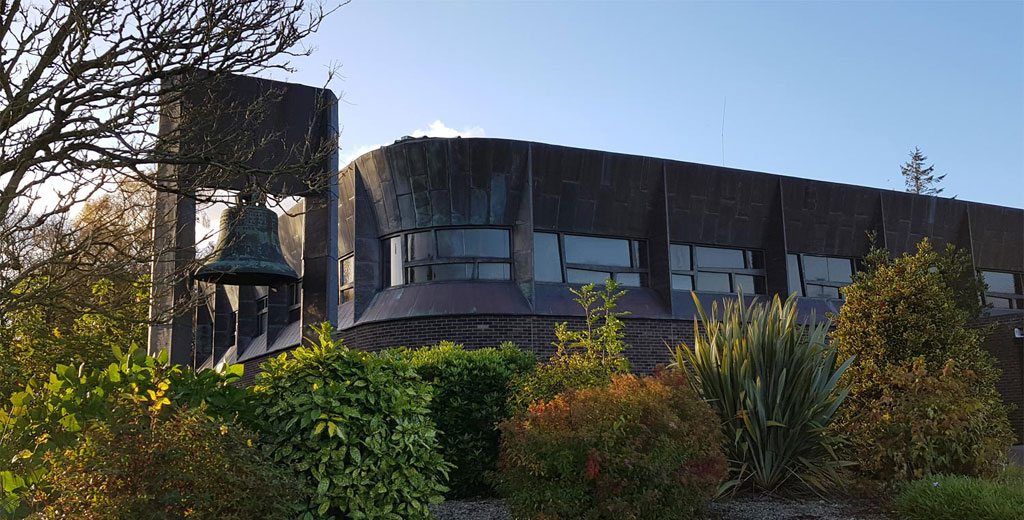
St Mary’s Church, Melmount, with the historic Urney Bell in the grounds
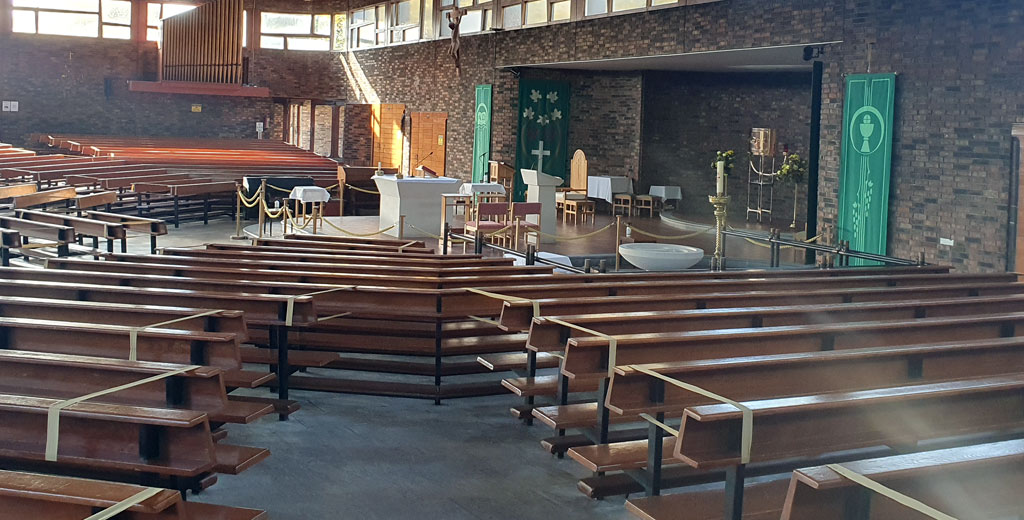
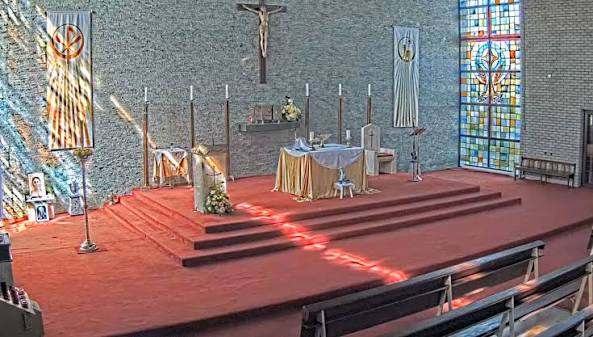
The sanctuary and nave inside St Mary’s Church, Melmount
Strabane

St Mary’s, Melmount

A parish church shaped by the growth of east Strabane.

Catholic worship at Melmount predates the present building. A church was built here in 1846 by Fr Paul Bradley. The present St Mary’s dates from 1970 and replaced the smaller church on the opposite side of Melmount Road.

The parish records that the new church answered rapid population growth from local housing development and reflected the changing approach to church design and liturgy after the Second Vatican Council.

1846Earlier church built
1970Present church completed
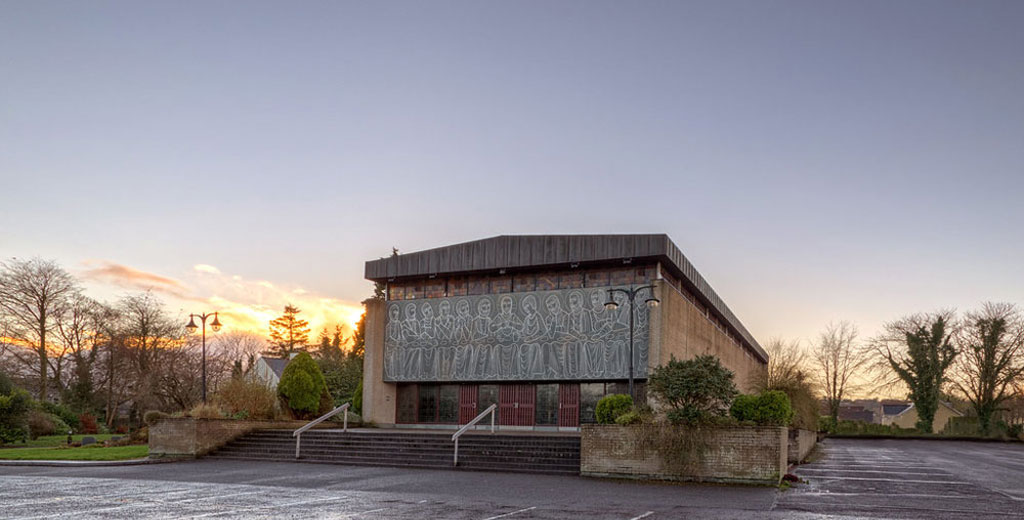
St Theresa’s Church, Sion Mills, with the Last Supper artwork across its front
The sanctuary inside St Theresa’s Church, Sion Mills
Sion Mills

St Theresa’s

A landmark of modern Irish church architecture.

St Theresa’s was built in 1962 to designs by architect Patrick Haughey and is a B+ listed building. Its simple modern form is given a distinctive identity by the monumental slate Last Supper across the front, created by sculptor Oisín Kelly.

Inside, stained glass by Patrick Pollen contributes to a building recognised for both its architectural quality and its place in the village of Sion Mills.

1962Church built
B+Listed building
A shared piece of local history

The Urney Bell

The bell now standing in the grounds of St Mary’s was cast in 1869 for St Columba’s at Doneyloop and transferred to Melmount in 1906. During the Second World War parishioners buried it to prevent its requisition for scrap metal. It was later recovered and given a permanent place outside the modern church.